







Search Results for: Light-Medium Roast

Panama Hartmann Estate Wine Process Coffee: Volcan Region Flavor, Catuai Variety, and Light-Medium Roast Analysis
The Volcán region of Panama has risen to prominence in the specialty coffee world in recent years, and Hacienda Hartmann is truly a pioneer of this land. As a century-old family estate, Hartmann is not only renowned for its shade-grown cultivation and bird-friendly practices, but also shoulders the management of well-known estates such as Hacienda La Mula. This article focuses on Front Street Panama Hartmann Estate Red Wine Process coffee, providing a complete analysis of this unique coffee—which combines red wine fermentation notes with tropical fruit flavors—covering the Volcán region's microclimate, the legendary history of the Hartmann family, the fermentation principles of the red wine process, the green bean characteristics of the Catuai variety, the light-medium roast profile design, and cupping and brewing performance. [more…]
Costa Rica Fuego Phoenix Estate Blue Sapphire SOE Espresso Preparation Log: Extraction and Milk Coffee Performance of a Light-Medium Roasted Single-Origin Espresso Bean
This article is the first in a series of SOE espresso experiments launched by Front Street Coffee, using Costa Rican Fuego Phoenix Estate Sapphire coffee beans to make espresso. These beans come from the Central Valley, at an altitude of 1600 meters, sun-dried, with varieties Caturra and Catuai. The article documents in detail the extraction parameters and flavor performance, and extends to pairing tests with milk coffee. Since the beans' roast level was originally more suited to pour-over, when used for SOE, the resting period needs to be extended and the extraction time lengthened to 35 seconds, in order to fully release the fermented aromas and avoid under-extraction. If you are interested in single-origin espresso, you may wish to refer to the parameters in this article to explore more possibilities with these beans. [more…]

Yirgacheffe Gutingding Coffee Beans: From Origin to Flavor, A Analysis of Floral and Citrus Tea Notes Under Light-Medium Roast
Yirgacheffe is renowned for its signature floral aroma, citrus acidity, and tea-like body, and the Gedeb Gotiti Cooperative is a prominent representative of the micro-regions within this area. Front Street Gotiti coffee beans use heirloom varieties and are washed-processed, presenting a fresh and bright citric acidity with jasmine floral notes, along with a clear tea-like body and honeyed sweetness in the finish. This article will provide a comprehensive analysis of the flavor code of these beans, from the terroir of the origin and variety characteristics to roasting key points, and will also include cupping performance and brewing suggestions, taking you to appreciate the unique charm of "the last pure land of Yirgacheffe." [more…]
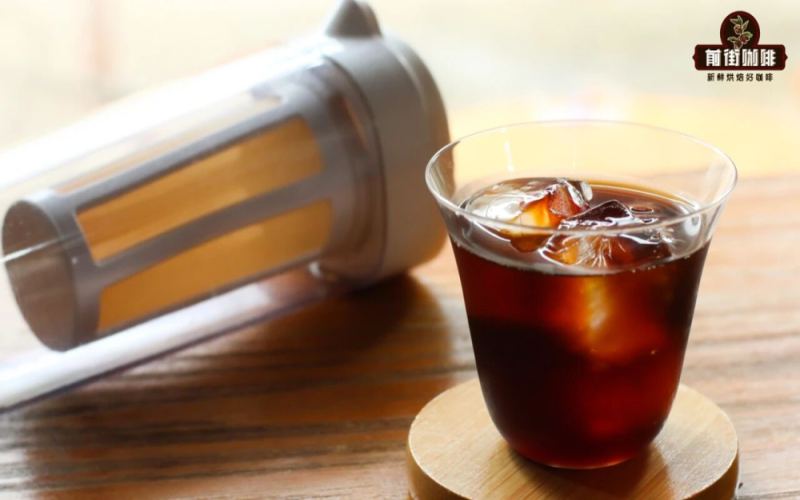
Is Cold Brew Coffee High in Caffeine? A Curated Cold Brew Bean List: How to Choose Between Light-Medium Roast Floral-Fruity Notes and Dark Roast Full-Bodiedness
Cold brew coffee has become a popular summer drink in recent years. It is made by steeping coffee grounds in cold water at a low temperature for a long time, resulting in an icy, refreshing taste and an aroma profile completely different from hot brewing. Many people wonder whether cold brew contains more caffeine; in fact, both steeping time and water temperature affect the final caffeine content. To make a delicious cold brew, bean selection is key: light to medium roasts more easily bring out a refreshing, floral-and-fruity-tea-like flavor, while medium-dark roasts are better suited to pairing with milk, delivering a sweet, mellow experience without bitterness. This article focuses on the caffeine questions surrounding cold brew, bean selection, and whether dark-roasted beans can be used for cold brew, and recommends three distinctive coffee beans—Front Street Coffee Panama Butterfly, Front Street Coffee Strawberry Candy, and Front Street Coffee Brazil Queen Estate—to help you easily make your ideal iced coffee at home. [more…]

Recommendations for light-medium roast beans with floral and fruity notes | What are the differences between Ethiopian, Kenyan, and Panamanian floral and fruity notes? Are floral and fruity coffee beans better for pour-over or espresso?
Generally speaking, lightly roasted coffee can retain more acidity in its flavor profile. If the beans themselves also contain certain alcohols and lipids, roasting will further bring out a captivating floral and fruity aroma. However, as the roast deepens, both the acidity and the floral and fruity notes gradually fade away and transform into bitter compounds, making the coffee [more…]
Ethiopian Natural Huakui Coffee Bean Flavor Analysis: How to Choose Between Light and Medium Roasts, Comparing Two Front Street Coffee Single Origins
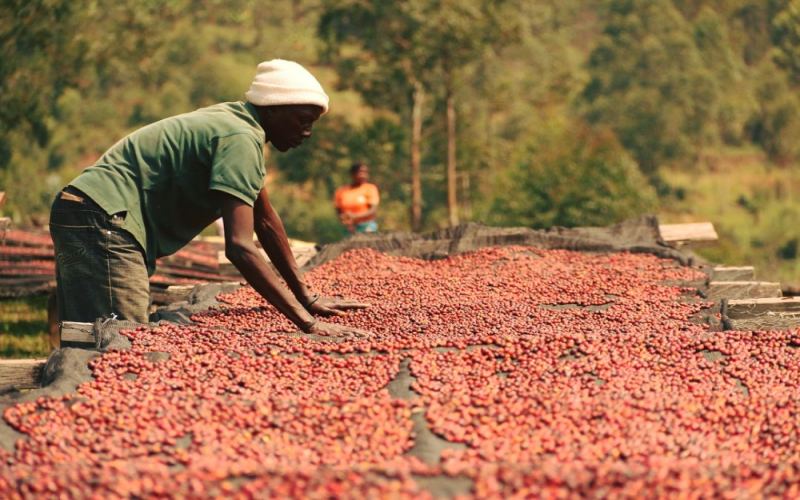
Ethiopia is the birthplace of coffee. While the washed beans of Yirgacheffe are certainly a classic, natural processing is actually the dominant method in terms of local output, accounting for about seventy percent of the country's production. Huakui from the Sidama Guji region is precisely a representative of natural beans that combines both flavor and reputation. This article begins with the origin conditions and natural processing techniques behind Huakui, sorts through the sources of its floral, strawberry, dried fruit, honey, and juicy flavors, and then compares Front Street Coffee's light-medium roast Huakui with the medium roast Huakui SOE in terms of extraction methods and taste, helping you make the right choice among pour-over, cold brew, and espresso. [more…]
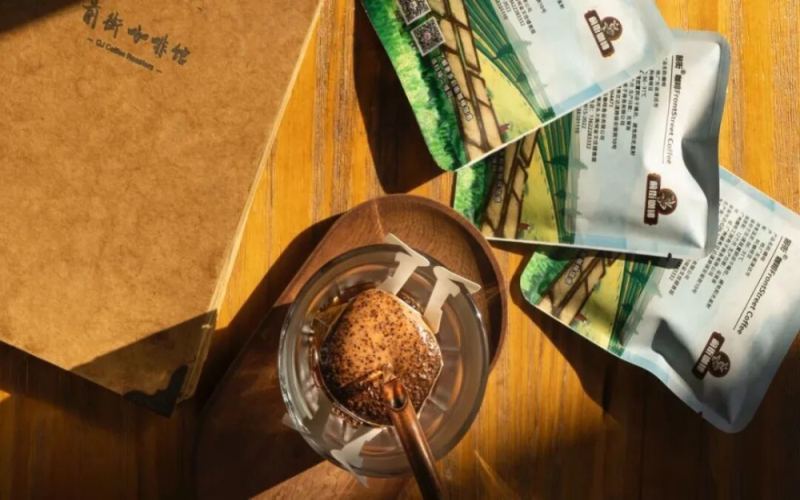
How to Fix Weak-Tasting Drip Bag Coffee? Master Three Brewing Adjustments to Easily Control the Strength of Mandheling and Yirgacheffe In-Season Drip Bags
Drip bag coffee, because it is ground in advance, often retains less than half the aroma of freshly ground coffee, and is often regarded by enthusiasts as merely a convenience. But in fact, as long as it is stored properly and drunk within the 3-week peak-flavor period, the basic flavor will not be greatly compromised. If what you brew still tastes as bitter as dishwater, or sour and bland, the problem most likely lies in the brewing method. Based on Front Street's practical experience, this article shares three tested and effective tips: choose a tall, narrow-mouthed cup and pour water in stages, add gentle stirring while pouring, and pour the coffee liquid back into the filter bag for a second extraction, helping you fully unlock the flavor potential of seasonal drip bags such as Mandheling and Yirgacheffe at home. [more…]
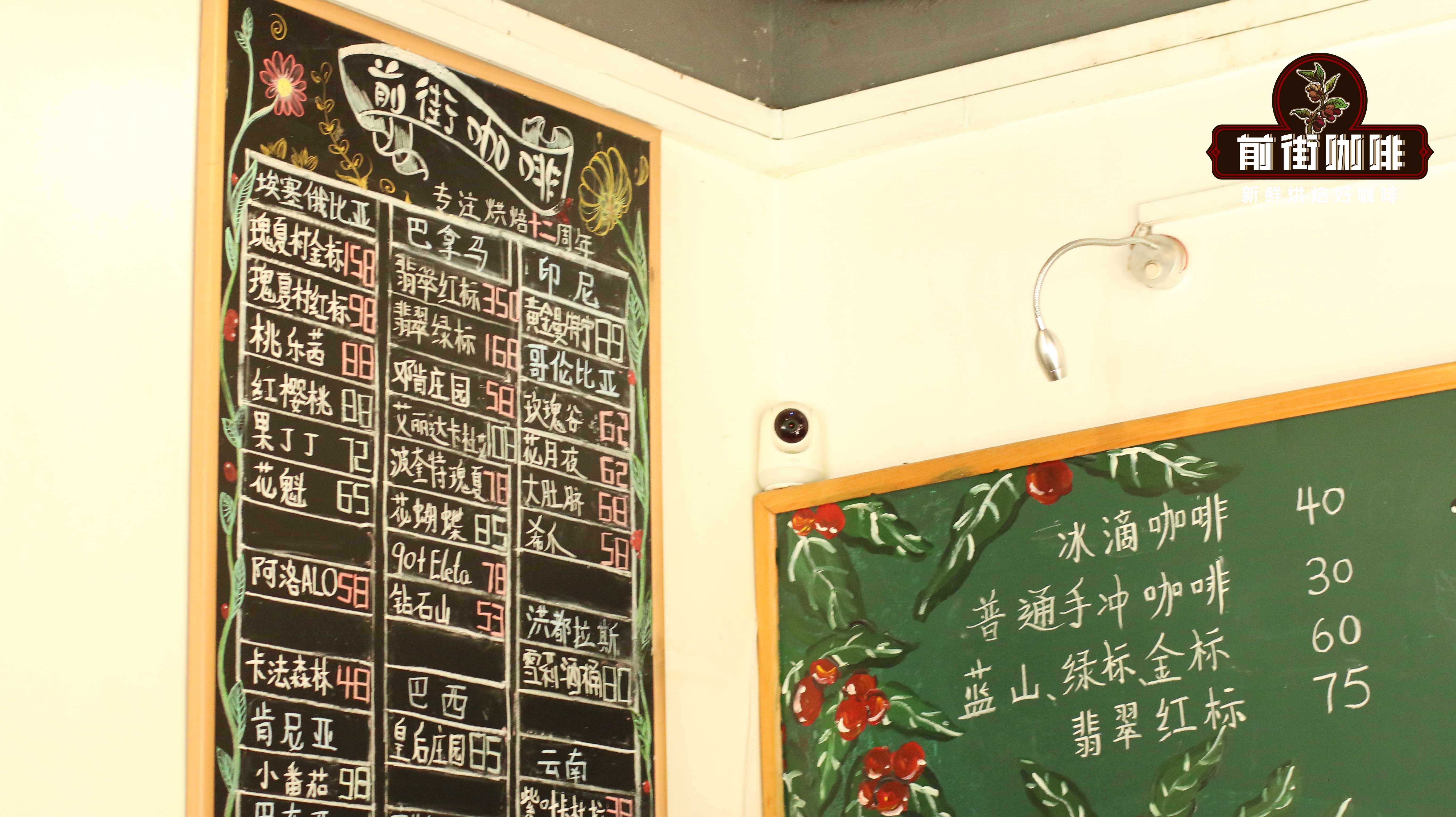
How to Choose the Roast Level for Ethiopian Sidamo Guji Hambela Coffee Beans? Flavor Differences Between Light, Medium, and Dark Roasts and an Analysis of Front Street Coffee Products
The Sidamo region is located in the southern highlands of Ethiopia, where high altitudes and fertile soil give rise to specialty coffee with pronounced floral and fruity notes. Front Street Coffee's Huakui is a prime example, winning the favor of many enthusiasts with its rich strawberry jam aroma and layered flavors of blueberry, guava, mango, and black tea. This article starts from the region's terroir and sun-dried processing method to analyze why Huakui coffee beans are suited to light-to-medium roasting rather than dark roasting, and introduces two Front Street Coffee Huakui products—the light-to-medium roast for pour-over drip bags and the espresso SOE version—to help you make a more suitable choice when buying and brewing. [more…]
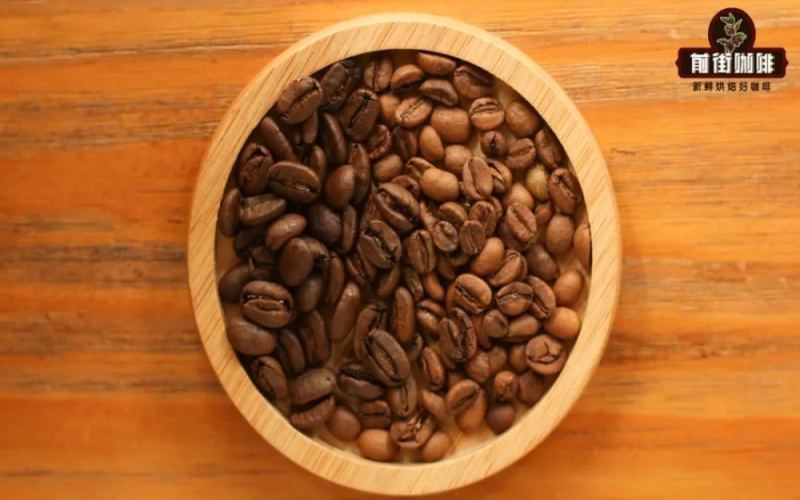
A Complete Breakdown of SOE Espresso Extraction Details: Grinding, Ratios, and Flavor Adjustment Techniques for Light-Medium Roast Espresso Beans
Making SOE with light-roasted beans is one of the more challenging aspects of espresso extraction. Drawing on the hands-on experience of Front Street Coffee, this article explains in detail how to set the extraction formula, how to adjust the grind setting according to the roast level, and provides troubleshooting approaches and adjustment plans for three common problems: sharp acidity with no lingering aftertaste, excessive bitterness from over-extraction, and thin crema. The core logic is: light-roast SOE requires higher extraction efficiency, and a brew ratio of 1:2 with a time of 30–35 seconds is a common starting point, but the final taste still depends on cupping judgment—fine-tuning the grind size and the yield are the keys that determine success or failure. [more…]
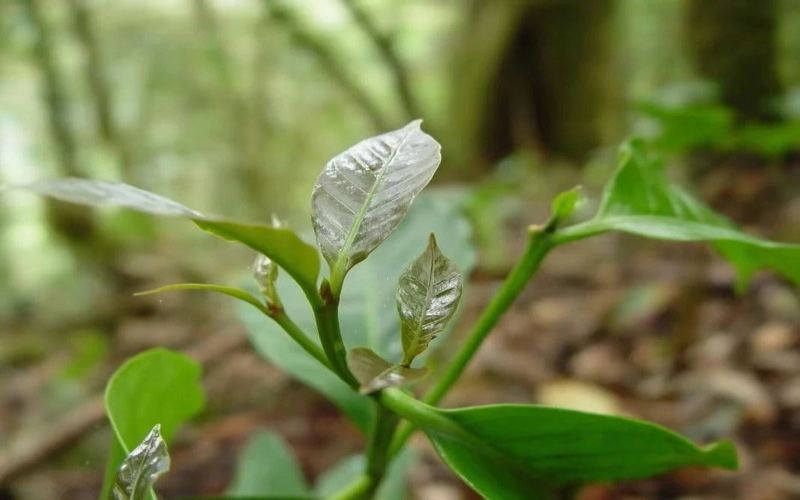
Light Roast Pour-Over Bean Recommendations: Cup Differences Across Three Roast Levels
Light-roasted coffee beans are not limited to just one flavor. Slight variations in roasting time and heat will steer the acidity, sweetness, aroma, and body in the cup in different directions. Lighter beans tend to express floral and citrus notes, mid-range light roasts enhance juiciness, and beans approaching a light-medium roast are softer and rounder, suitable for slowly transitioning from fresh flavors. [more…]
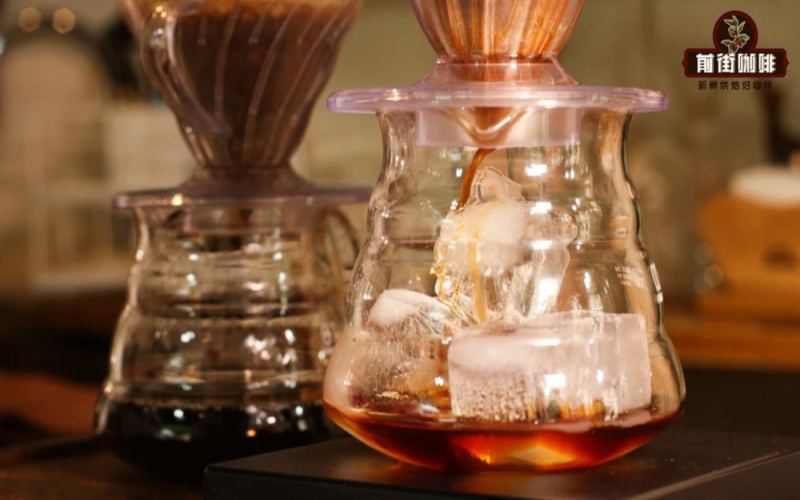
How to Choose Coffee Beans for Beginners? The Difference Between Dark Roast and Light-Medium Roast, Plus Front Street Coffee's Recommended Everyday Beans from Major Regions
Friends who are just getting into coffee often struggle with the same question: for a beginner, should you choose dark-roasted or light-to-medium-roasted coffee beans? In fact, whether it's single-origin or espresso, freshness always comes first. For single-origin beans, pay attention to origin, altitude, and processing method, while for espresso beans, look at the blend recipe. The world's coffee-growing regions can be broadly divided into three major areas: Africa, Asia, and the Americas, each presenting different flavors such as floral and fruity acidity, nutty and herbal notes, or nutty and chocolatey notes. Front Street Coffee's everyday drinking beans are selected from representative regions across major growing areas, mainly using the washed process, striving to showcase the true flavors of their origins. This article will introduce Front Street Coffee's everyday drinking bean series one by one by region, and share pour-over pouring techniques and the importance of coffee bean freshness, helping beginners find the cup of coffee that suits them. [more…]
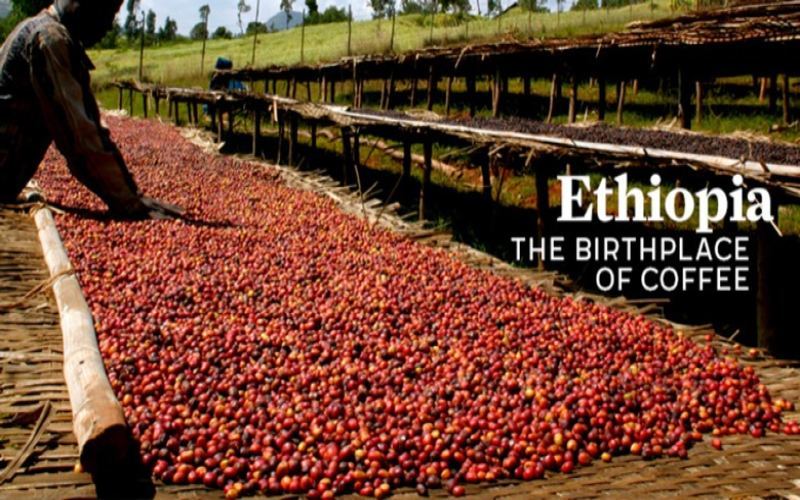
Yirgacheffe Starter Guide: How to Choose Between Light, Medium, and Dark Roasts
The flavor range of Yirgacheffe is very broad, and the roast level takes it in different directions: a light roast makes it easier to taste floral notes, citrus, and berries; a medium roast brings out more sweetness and smoothness; a dark roast moves toward cocoa, nuts, and a heavier mouthfeel. Beginners may want to check the roast label first, then decide which kind of cup they want to start getting to know this [more…]
Pour-Over Coffee Bean Fruity Acidity Flavor Guide: How Light-Medium Roasts Present Floral and Fruity Notes, with Variety Recommendations
From light to dark roasting, coffee beans can undergo a dramatic flavor transformation within just a few minutes and a temperature difference of about 10°C. Light roasting preserves more organic acids, resulting in bright acidity and rich aromatic layers; medium roasting achieves more thorough caramelization, lowering acidity and enhancing sweetness. If you want to enjoy alluring floral and fruity notes, it is recommended to prioritize light to medium roasts and choose varieties based on flavor descriptions. This article reviews how different roast levels affect acidity and aroma, and recommends five representative Front Street Coffee pour-over beans: Fruit Ding Ding, Kenya Little Tomato, Strawberry Candy, Colombia Big Belly Button, and Flower Butterfly, corresponding to flavors such as citrus and floral, berry and cherry tomato, raisin gummy, passion fruit and blueberry, and citrus honey pomelo tea, helping coffee lovers make precise purchases according to their preferences. [more…]
Is coffee sourness a sign of spoilage or a flavor characteristic? Analyzing the causes of acidity in African beans and the effects of roasting and extraction
Many friends who are new to specialty coffee often wonder: if coffee tastes sour, has it gone bad? In fact, sourness is not synonymous with spoilage, but rather a highly prized flavor dimension in specialty coffee. Drawing on the practical experience of Front Street Coffee, this article systematically sorts out the sources of coffee acidity, distinguishes good acidity from bad, and analyzes how factors such as roast level, grind size, water temperature, and brewing time affect the expression of acidity. At the same time, the article also introduces several African-origin coffee beans known for their bright fruity acidity, helping readers build a correct understanding of coffee sourness and stop confusing acidity with spoilage. [more…]

SCA Coffee Flavor Wheel Analysis Tutorial | What Is Coffee Flavor? Which Single-Origin Coffee Beans Best Represent Coffee Flavor? How Can Beginners Distinguish Coffee Flavor Characteristics?
Professional barista exchange, please follow Front Street Coffee (FrontStreet Coffee). Many friends have asked Front Street's baristas: "Can you really taste so many flavors in the beans? How do you taste them?" First, this is about personal sensory perception. As everyone grows up, [more…]
A Comprehensive Guide to the New SCAA Coffee Flavor Wheel: From Sour, Bitter, Sweet, and Salty to 85 Flavor Layers
The update to the coffee flavor wheel has made the tasting system more complete, but many people still feel confused when faced with descriptions like citrus, berries, and nuts. In daily brewing, Front Street Coffee recommends beans from different regions based on guests' taste preferences, while accurately identifying flavors requires systematic training. This article starts with the four major taste spectrums—sour, sweet, bitter, and salty—and, combined with the complete classification of the new flavor wheel, interprets one by one the specific expressions of floral, fruity, herbal, nutty and cacao, sweet, spice, sour and fermented, alcoholic fermentation, roasted, and other categories, helping coffee enthusiasts build a clear framework for flavor perception. [more…]
The Complete Guide to Using the SCA Coffee Flavor Wheel: A Tutorial on Breaking Down Pour-Over Coffee Flavor Descriptions and Taste Categories
The coffee flavor wheel is known as the "flavor dictionary" of specialty coffee and is an indispensable professional tool in cupping and quality control. Based on Front Street Coffee's cupping practice, this article systematically breaks down the structure of the SCA coffee flavor wheel. Starting from the four major taste spectra of sour, sweet, bitter, and salty, it analyzes the causes and representative bean varieties of each flavor category, covering all categories including floral, fruity, nutty/cocoa, sweet, spicy, sour and fermented, alcoholic fermentation, roasted, and defective flavors. It also provides practical methods for building a flavor memory bank from everyday life and improving sensory identification ability, helping coffee enthusiasts more accurately describe the flavor characteristics and taste categories of pour-over coffee. [more…]
How to Unlock Sweetness in Light-Medium Roasted Coffee? Master High-Sweetness Extraction Techniques for Better Flavor
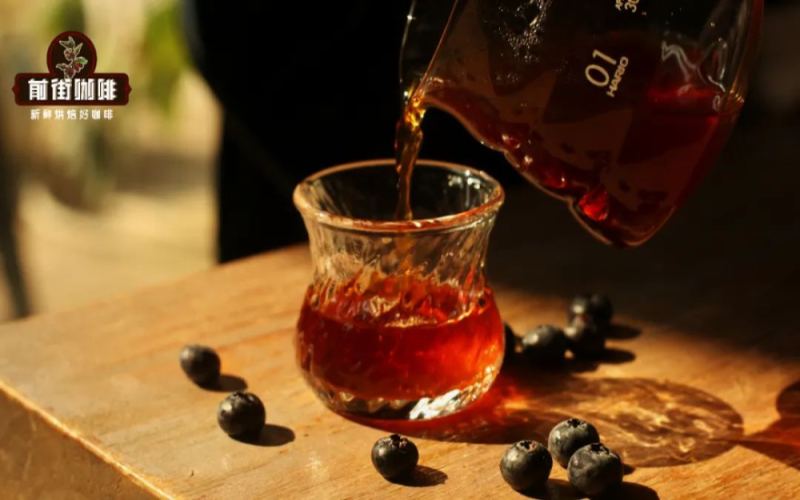
In the world of specialty coffee, sweetness is an important dimension for measuring the quality of a cup. If black coffee can present both aroma and sweetness at the same time, it means that everything from bean selection to extraction has reached an ideal state. However, most people's first impression of coffee is bitterness, and it is only when they taste sweetness like fruit or caramel that they are pleasantly surprised to discover that this "black drink" can also be so sweet. Starting from the stages in which coffee sweetness is released, this article will provide practical adjustment plans for brewing sweetness in two types of coffee—fruit-forward medium-light roasts and nutty medium-dark roasts—including optimization ideas for key parameters such as water temperature, staged pouring, and coffee-to-water ratio, to help coffee lovers brew a good cup with full sweetness and a lasting finish. [more…]
SCAA Pour-Over Specialty Coffee Flavor Wheel High-Resolution Download and Systematic Knowledge of Flavor Terminology
The coffee flavor wheel is a recognized tasting tool in the specialty coffee community, but when faced with descriptors like citrus, berries, nuts, and chocolate, many people don't know how to match them. Starting from the high-resolution image of the latest SCAA flavor wheel, this article systematically sorts out the compositional logic of coffee flavor: the relationship between the four basic tastes of sour, sweet, bitter, and salty and the roast level, the proportion data of each taste substance, the subdivision of the acidity spectrum, bitterness spectrum, sweetness spectrum, and saltiness spectrum, as well as an item-by-item analysis of the nine major flavor groups including floral and fruity, green and herbal, nutty and cocoa, sweet, spicy, sour and fermented, alcoholic fermented, roasted, and other. The article also intersperses Front Street Coffee's daily training methods and representative bean recommendations, helping readers build a complete tasting framework from smelling to drinking. [more…]

Detailed Guide to Using the Ice Eye Dripper | What's the Difference Between a V60 Dripper and an Ice Eye Dripper? Which Coffee Drippers Are Suitable for Coffee Beginners Making Pour-Over Coffee?
It is today's star, an Ice Eye dripper that sparkles under the light and fits perfectly with the filter paper! The barista "model" in this article says that brewing coffee with this Ice Eye dripper really puts them in a great mood!!!!!! What are the features of the Ice Eye dripper? Most of the coffee drippers we see every day have protruding ribs on the cup wall. [more…]